0000-00
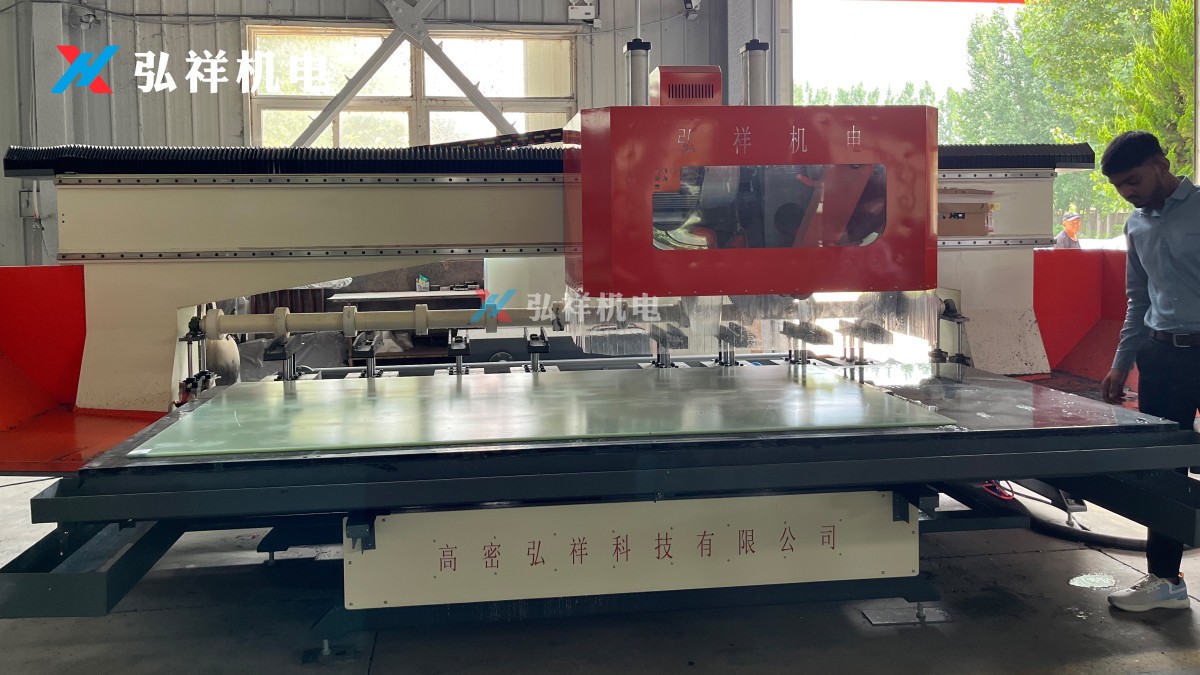
Transformatör yalıtım parçaları işleme ekipmanı tedarik ederken, özel ve standart modeller arasında seçim yapmak operasyonel verimliliğinizi ve yatırım getirinizi (ROI) önemli ölçüde etkiler. Bu maliyet-fayda analizi, EVA kalıplama, lamine ahşap ve elektrik yalıtım uygulamaları için CNC transformatör yalıtım parçaları işleme ekipmanlarını karşılaştırıyor. Güç transformatörü üretimi için katı kalite standartlarını karşılarken toplu siparişleri optimize edebilen önde gelen bir Çinli üreticinin OEM hizmet seçeneklerini keşfedin.
Transformatör Yalıtım Parçaları İşleme Ekipmanı Seçiminde Dikkat Edilmesi Gereken Temel Hususlar
Özel ve standart transformatör yalıtım parçaları işleme ekipmanı arasında karar vermek, birden fazla teknik ve ticari faktörün dikkatlice değerlendirilmesini gerektirir. Güç transformatörü üreticileri için bu seçim, üretim kapasitesini, malzeme kullanım oranlarını ve uzun vadeli bakım maliyetlerini etkiler. Standart modeller anında kullanılabilirlik ve daha düşük başlangıç maliyetleri sunar, genellikle özel çözümlerden %15-30 daha ucuzdur. Ancak, özel CNC transformatör yalıtım parçaları işleme ekipmanı, EVA kalıplama veya lamine ahşap bileşenler gibi özel uygulamalar için üstün hassasiyet sağlar ve genellikle karmaşık geometriler için %20-40 daha yüksek verim sunar. Teknik değerlendirme ekipleri, seçenekleri karşılaştırırken boyutsal toleransları (genellikle özel CNC modeller için ±0.05mm'ye karşı standart modeller için ±0.1mm), otomasyon uyumluluğunu ve takım değiştirme sürelerini değerlendirmelidir.
Operasyonel Verimlilik Karşılaştırması
Elektrik yalıtım uygulamaları için özel olarak tasarlanmış transformatör yalıtım parçaları işleme ekipmanı, üretim ortamlarında ölçülebilir avantajlar gösterir. Güneydoğu Asya'daki transformatör fabrikalarındaki kurulumlardan elde edilen saha verileri, özel CNC sistemlerinin %92-95 çalışma süresi sağladığını, standart modellerde bu oranın %85-88 olduğunu göstermektedir; bu durum öncelikle optimize edilmiş takım yolları ve malzeme sıkışmasının azalmasından kaynaklanmaktadır. Toplu sipariş işlemede, otomatik malzeme taşıma özellikli özel konfigürasyonlar, vardiya başına 3-4 operatörlük işgücü ihtiyacını azaltırken çıktıyı %25-30 artırabilir. Aşağıdaki tablo temel performans metriklerini göstermektedir:
Finansal Analiz: Özel ve Standart Ekipman
Transformatör yalıtım parçaları işleme ekipmanının toplam sahip olma maliyeti (TCO), başlangıç satın alma fiyatının ötesine geçer. Çin'deki saygın üreticilerden özel çözümler genellikle standart modellere göre %25-40 daha pahalıdır, ancak üç temel finansal faktörle ölçülebilir yatırım getirisi sağlar: daha düşük hurda oranları (orta hacimli üreticiler için yılda 18.000-35.000$ tasarruf), daha düşük bakım maliyetleri (5 yılda standart ekipmana göre %30-45 daha az) ve uzatılmış servis ömrü (standart modellerde 6-9 yıla karşı 8-12 yıl). Lamine ahşap veya elektrik yalıtım bileşenleri işleyen OEM hizmet sağlayıcıları için özel CNC ekipmanının geri ödeme süresi, mevcut piyasa fiyatları ve üretim hacimlerine göre ortalama 18-24 aydır.
Toplu Sipariş Ekonomisi
Yüksek hacimli üretim için transformatör yalıtım parçaları işleme ekipmanı tedarik ederken, özel konfigürasyonlar üstün ölçeklenebilirlik gösterir. Üreticiler, EVA kalıplama bileşenlerinin toplu siparişlerinde, özel olarak tasarlanmış CNC sistemleri kullanıldığında, adapte edilmiş standart makinelere kıyasla %30-50 daha hızlı üretim hızları bildirmektedir. Aşağıdaki tablo, yıllık 500.000 birim üretim için maliyet yapılarını karşılaştırmaktadır:
Özel CNC Çözümlerinin Teknik Avantajları
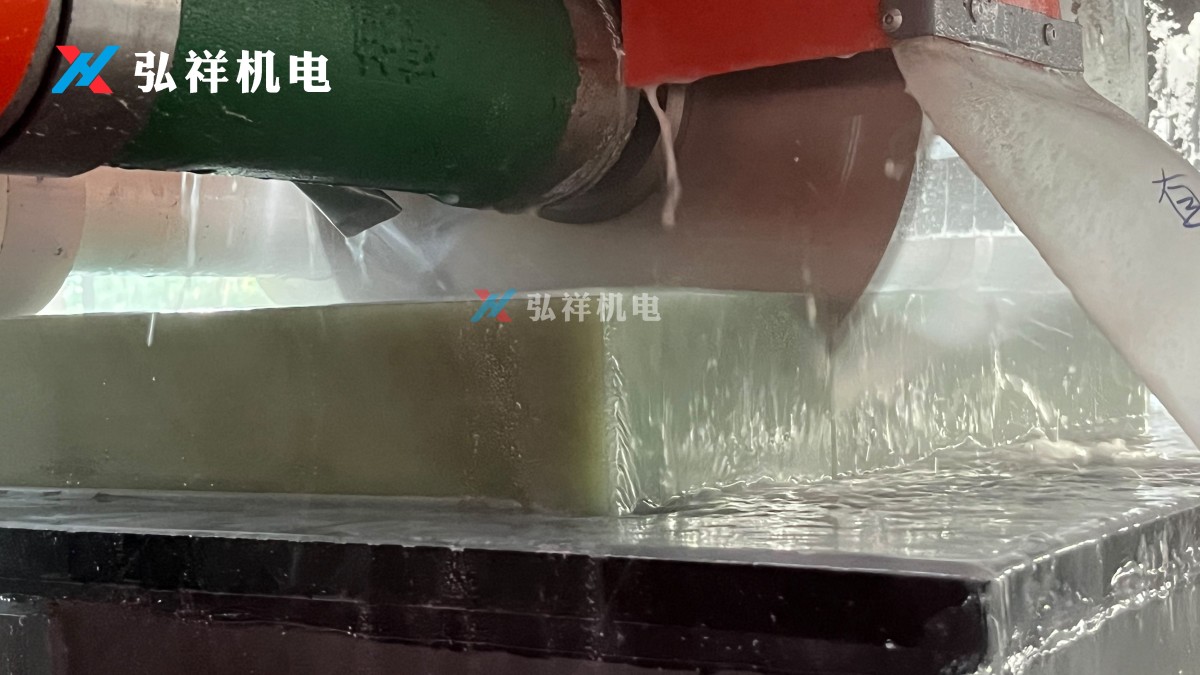
Özel transformatör yalıtım parçaları işleme ekipmanı, güç transformatörü üretimindeki özel uygulamalar için belirgin teknik avantajlar sunar. Hassas mühendislikli CNC sistemleri, elektrik yalıtım malzemelerini işlerken standart makinelere göre (1.6-2.5µm'ye karşı 0.8-1.2µm) daha üstün yüzey kalitesi (Ra) ölçümleriyle üstün sonuçlar elde eder. Lamine ahşap bileşenler için özel takım konfigürasyonları, -40°C ila 120°C sıcaklık değişimlerinde ±0.03mm boyutsal stabiliteyi korurken tabakalanma kusurlarını %60-75 azaltır. Bu performans özellikleri, yalıtım bütünlüğünün ürün güvenliği ve ömrünü doğrudan etkilediği yüksek gerilim transformatör uygulamaları için kritik öneme sahiptir.
Kalite Kontrol Entegrasyonu
Çin'deki önde gelen üreticiler artık özel transformatör yalıtım parçaları işleme ekipmanlarına gelişmiş kalite izleme sistemlerini entegre etmektedir. Bu sistemler genellikle şunları içerir:
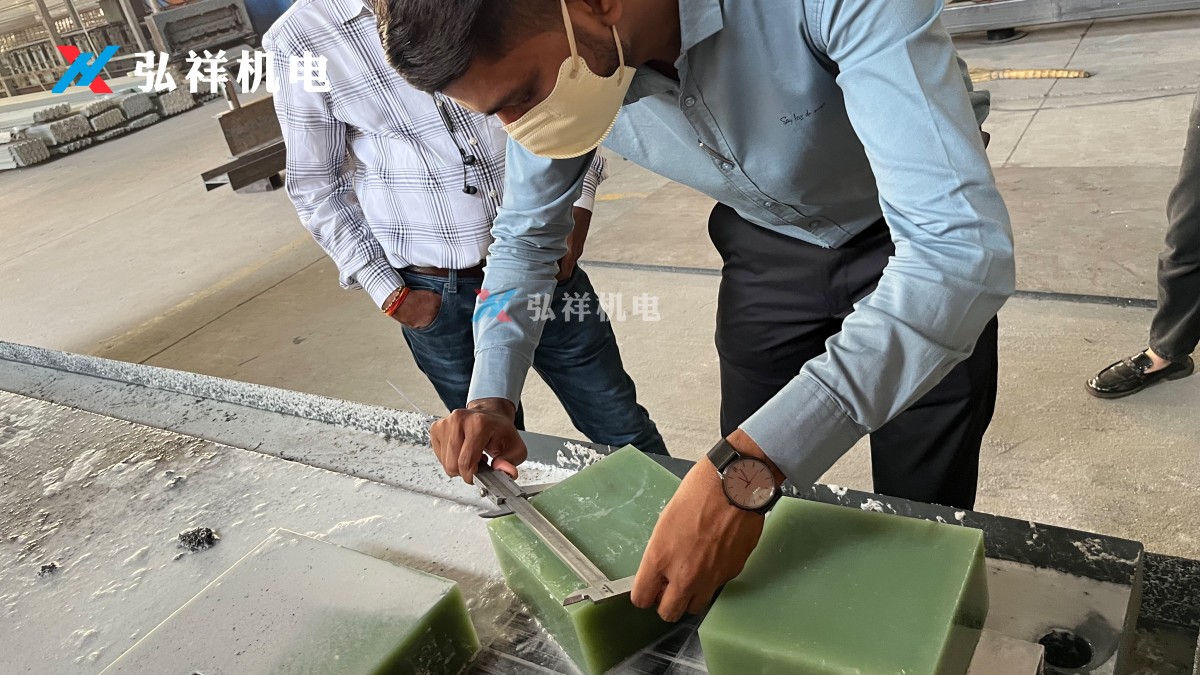
- Elektrik yalıtım bileşenleri için gerçek zamanlı kalınlık ölçümü (±0.01mm hassasiyet)
- EVA kalıplama kusurları için otomatik görsel denetim (%99.2 tespit oranı)
- Lamine ahşap işleme sırasında lif hasarını önlemek için kuvvet izleme
- İzlenebilirlik ve süreç optimizasyonu için entegre veri kaydı
Stratejik Tedarik Hususları
Çin'deki transformatör yalıtım parçaları işleme ekipmanı üreticilerini değerlendirirken, tedarik ekipleri temel spesifikasyonların ötesinde birkaç kritik faktörü değerlendirmelidir. OEM hizmet ortaklıkları için, tedarikçinin güç transformatörleri için IEC 60076 ve lamine malzemeler için ASTM D709 gibi uluslararası standartlarla deneyimini doğrulayın. Teknik değerlendirme, fabrika kabul test protokollerini içermeli ve özellikle şunlara dikkat edilmelidir:
- EVA kalıplama operasyonları sırasında makine rijitliği ve titreşim özellikleri
- Elektrik yalıtım malzemesi işleme için takım ömrü beklentisi
- Enerji verimliliği sertifikaları ve uluslararası düzenlemelere uyum
Satış sonrası destek yapısı ve yedek parça bulunabilirliği
Vaka Çalışması: Büyük Ölçekli Uygulama
Güney Amerikalı bir güç transformatörü üreticisiyle yapılan son proje, özel CNC transformatör yalıtım parçaları işleme ekipmanının avantajlarını göstermektedir. Lamine ahşap ve elektrik yalıtım bileşenleri için altı standart makinenin üç özel konfigürasyonlu sistemle değiştirilmesiyle üretici şunları elde etmiştir:
- Günlük üretim kapasitesinde %42 artış
- Birim başına enerji tüketiminde %28 azalma
- Kaliteyle ilgili yeniden işlemede %60 düşüş
- 22 ay içinde tam yatırım getirisi
Sonuç ve Sonraki Adımlar
Maliyet-fayda analizi, özel transformatör yalıtım parçaları işleme ekipmanının, EVA kalıplama, lamine ahşap ve elektrik yalıtım uygulamalarında yüksek hassasiyet gerektiren üreticiler için uzun vadede üstün değer sunduğunu açıkça göstermektedir. Standart modeller başlangıç maliyeti tasarrufları açısından cazip görünse de, Çin'deki deneyimli üreticilerden özel CNC çözümleri, üretim verimliliği, kalite kontrolü ve toplam sahip olma maliyeti açısından ölçülebilir avantajlar sunar.
Ekipman seçeneklerini değerlendiren transformatör üreticileri için şunları öneririz:
- Özel konfigürasyon gereksinimlerini belirlemek için detaylı bir süreç analizi yapın
- Özel malzemelerinizle fabrika demonstrasyonları talep edin
- 5-7 yıllık bir zaman diliminde toplam maliyet modellerini değerlendirin
- Üretici sertifikalarını ve referans projelerini gözden geçirin
Mühendislik ekibimizle bugün iletişime geçin, özel transformatör yalıtım parçaları işleme gereksinimlerinizi görüşün ve operasyonunuz için özelleştirilmiş bir maliyet-fayda analizi alın.
GEZİNME
MESAJ
Fiyat Teklifi İsteyin?