0000-00
Selecting the right insulating cardboard for electrical insulation is critical for transformer performance and safety. This guide explores key quality standards, environmental impact considerations, and best practices for storage/handling of insulating cardboard. Whether you're a procurement specialist, project manager, or technical evaluator, understanding these factors ensures optimal material selection for oil-immersed transformers and other electrical applications. We'll also examine OEM services for transformer insulation parts processing equipment and sustainable manufacturing solutions.
Key Quality Standards for Insulating Cardboard in Electrical Applications
When evaluating insulating cardboard for electrical insulation, several international standards must be considered to ensure material integrity and performance. The IEC 60641 series specifies requirements for pressboard and presspaper used in electrical equipment, while ASTM D619 covers testing methods for laminated products. Key parameters include dielectric strength (typically 10-15 kV/mm for premium grades), density (1.0-1.2 g/cm³ for optimal mechanical properties), and moisture content (below 7% to prevent conductivity issues). For oil-immersed transformers, the material must demonstrate exceptional oil absorption characteristics and thermal stability up to 105°C continuous operating temperature. Leading manufacturers like Gaomi Hongxiang implement rigorous quality control measures including:
- Batch-level dielectric testing using standardized electrode configurations
- Mechanical strength verification through tensile and compression testing
- Chemical compatibility analysis with transformer oils
- Long-term aging simulations under accelerated thermal conditions
Procurement teams should request certified test reports showing compliance with these standards, particularly when sourcing insulating cardboard for high-voltage applications or critical infrastructure projects.
Environmental Impact and Sustainability Considerations
The question "Is insulating cardboard environmentally friendly?" has become increasingly important in transformer manufacturing. Modern insulating cardboard solutions balance performance with ecological responsibility through several approaches. Many premium grades now incorporate recycled cellulose fibers (up to 40% post-industrial content) without compromising dielectric properties. The manufacturing process itself has evolved to reduce water consumption by 30-50% compared to traditional methods, while advanced pulping technologies minimize chemical usage. From a lifecycle perspective:
- Biodegradability exceeds 90% for untreated cellulose-based materials
- Carbon footprint is 60% lower than comparable synthetic insulation materials
- End-of-life recycling options exist through specialized paper processing facilities
Environmentally conscious buyers should look for manufacturers with ISO 14001 certification and ask for detailed Environmental Product Declarations (EPDs) when evaluating insulating cardboard options.
Best Practices for Storage and Handling of Insulating Cardboard
Proper insulating cardboard storage and handling best practices are essential to maintain material properties before installation. The material should be stored in climate-controlled environments (20-25°C, 40-60% RH) away from direct sunlight. Pallets must be kept at least 10cm above floor level with adequate air circulation to prevent moisture absorption. Key handling guidelines include:
For oil-immersed transformer installation, the insulating cardboard should undergo controlled conditioning (48 hours at installation environment conditions) before processing to ensure dimensional stability.
OEM Solutions for Transformer Insulation Parts Processing
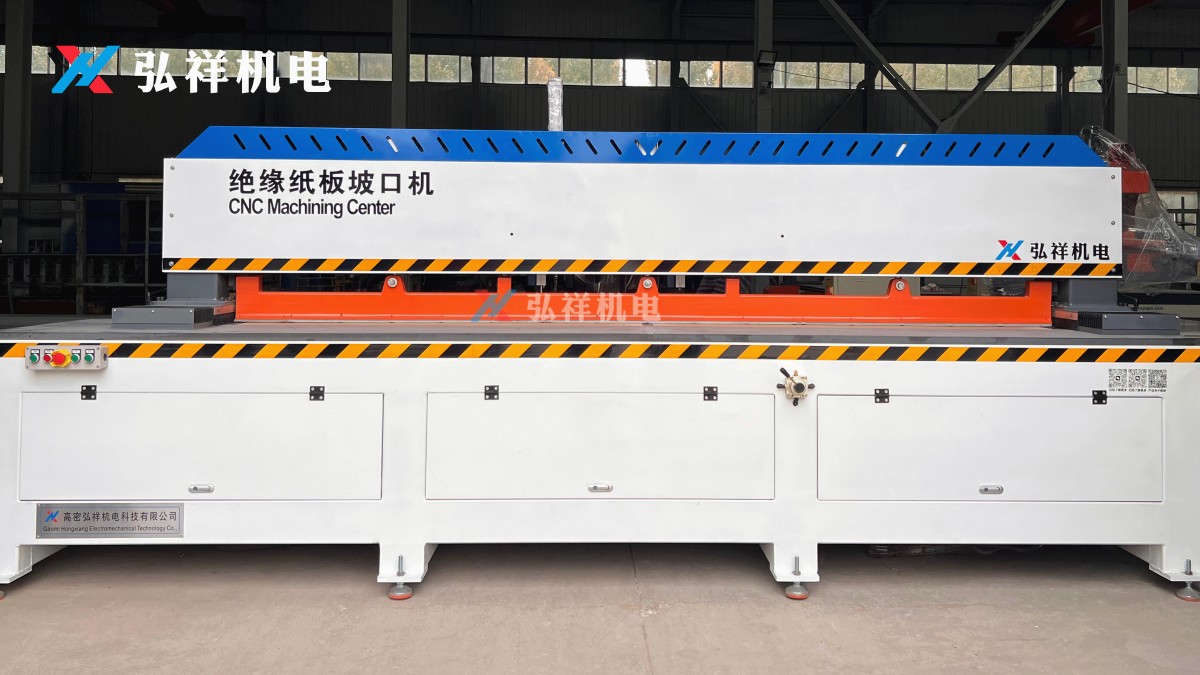
Specialized transformer insulation parts processing equipment plays a vital role in manufacturing precision components from insulating cardboard and laminated wood. Advanced OEM services now incorporate CNC routing, laser cutting, and robotic assembly systems capable of producing complex geometries with tolerances under ±0.1mm. When evaluating OEM partners for transformer insulation components, consider these technological capabilities:
- 5-axis machining centers for 3D contouring of insulating barriers
- Automated stacking systems for laminated wood assemblies
- Vision-guided robotic handling to prevent material contamination
- In-line quality inspection with dielectric testing integration
Leading manufacturers combine these technologies with material expertise to deliver complete solutions - from raw insulating cardboard to finished insulation systems ready for transformer assembly.
Conclusion and Next Steps
Selecting optimal insulating cardboard for electrical insulation requires balancing technical specifications, environmental considerations, and processing requirements. By understanding the key quality standards, implementing proper storage protocols, and leveraging advanced OEM manufacturing capabilities, organizations can ensure reliable transformer performance while meeting sustainability goals.
Gaomi Hongxiang Electromechanical Technology Co., Ltd. brings decades of expertise in manufacturing precision insulating components for power transformers worldwide. Our integrated solutions cover the entire value chain - from high-performance insulating cardboard production to custom processing of transformer insulation parts. Contact our technical team today to discuss your specific requirements and receive tailored recommendations for your next project.
Ready to optimize your transformer insulation system?
Request a consultation with our insulation specialists to receive:
- Material selection guidance based on your voltage class and environmental conditions
- Custom processing solutions for complex insulation components
- Comprehensive technical documentation including test certificates
GEZİNME
MESAJ
Fiyat Teklifi İsteyin?